


When you invest in an LED screen, one of the first questions is how long it will continue to perform reliably. Commercial LED screens usually last around 5–10 years under normal operating conditions. However, the actual service life depends on more than the LED lamps. Product selection, installation planning, component quality, and maintenance all affect how the screen performs after years of operation. This article explains what affects LED screen lifespan, how long different screen types usually last, and what you should check before purchasing.
How Long Does an LED Screen Last?
In simple terms, commercial LED screens usually last 5–10 years, but the actual service life depends on how the screen is configured, installed, operated, and maintained.
| LED Screen Type | Typical Lifespan | Main Factors Affecting Lifespan |
| Indoor LED Screen | 8–10 years | Daily working hours, brightness setting, ventilation, heat buildup, and maintenance |
| Outdoor LED Screen | 5–10 years | Sunlight, rain, temperature changes, waterproof design, corrosion protection, and heat management |
| Rental LED Screen | 5–8 years | Frequent installation, transportation, and handling |
| Fine Pitch LED Display | Around 7–10 years in controlled indoor applications | Packaging method, manufacturing consistency, heat management, and daily operating hours |
| Transparent LED Screen | Around 5–8 years depending on installation environment, protection level, and operating hours. | Installation environment, structural design, protection level, and operating hours |
These ranges describe normal commercial use with scheduled maintenance. Individual parts may still need replacement during this period.
What Does LED Display Lifespan Really Mean?
In this article, LED screen lifespan refers to the period during which the display continues to meet normal project requirements with reasonable maintenance. It does not mean the screen will suddenly stop working after a fixed number of years. In most cases, LED displays gradually lose brightness and color consistency over time. Actual service life depends on component quality, operating conditions, and how the screen is used and maintained. Buyers usually consider replacement when brightness no longer meets project requirements, maintenance costs become too high, or compatible replacement parts are no longer available.
LED Chip or LED Lamp Lifespan vs Complete LED Screen Lifespan
The term “LED chip lifespan” is often used by buyers, but the commonly quoted 100,000-hour figure usually refers to an LED lamp or package tested under specified conditions. It does not mean that a complete LED screen will operate for 100,000 hours without maintenance, repairs, or component replacement.
The operating life of an LED display depends on the complete system, including modules, power supplies, control components, and working conditions. The lifespan of a complete LED screen depends on how all major components work together, not only the LED lamps. When one key component reaches the end of its useful life, it can affect the performance of the entire screen. This is why choosing suitable components and a reliable supplier is more important than looking at one lifespan number.

How Long Do Different LED Display Components Last?
A commercial LED display or LED video wall is made up of multiple parts, and each component affects performance after years of use. The ranges below are based on typical commercial LED projects under normal operating conditions. Actual service life depends on component quality, working hours, installation quality, environmental conditions, and maintenance.
| Component | Typical Reference Range | Common Aging or Failure Signs |
| LED Lamp / LED Package | Typically rated at 50,000–100,000 hours under specified test conditions | Brightness loss, dead pixels, color difference |
| LED Module | Replaced based on brightness, color consistency, and pixel condition | Dead pixels, dark areas, visible color differences, damaged PCB or connectors |
| Power Supply | Around 30,000–50,000 hours, depending on load and temperature | Unstable output, overheating, intermittent failure |
| Receiving Card | Usually replaced based on condition rather than a fixed hour rating | Signal loss, image errors, communication failure |
| Cabinet Structure | Often 10 years or longer under suitable installation and environmental conditions | Corrosion, deformation, damaged locks |
| HUB Board and Cables | Depends on installation environment, connection quality, and maintenance conditions | Partial module failure, unstable signals, loose connections |
| Cooling Fan, If Used | Around 20,000–50,000 hours, depending on fan quality and operating temperature | Noise, reduced airflow, overheating |
In actual projects, component quality, operating conditions, and installation quality all affect how long these parts can continue working. This is why experienced buyers usually evaluate the complete system instead of only checking the LED chip lifespan.
Why Different LED Screen Types Have Different Lifespans
The lifespan of an LED screen varies depending on where it is installed, how often it operates, and how it is maintained. A screen used in a controlled indoor environment usually has a different service life from a screen exposed to outdoor weather conditions or frequent transportation.

Indoor LED Screen
Indoor projects usually have fewer environmental risks, but heat buildup behind the screen and poor ventilation can still lead to more repairs during operation. Lower brightness requirements and less exposure to dust, rain, and temperature changes help reduce stress on components.

Outdoor LED Screen
Outdoor LED screens need to handle sunlight, rain, dust, and temperature changes throughout the year. A well-designed outdoor display with suitable waterproofing, drainage, corrosion protection, and heat management can typically remain in service for 5–10 years.
Rental LED Screen
Rental LED screens usually experience more physical handling because they are frequently installed, removed, and transported between events. Strong cabinet design, durable connectors, and easy maintenance are important factors affecting their service life.
Fine Pitch LED Display
Fine-pitch LED displays require higher manufacturing accuracy because the pixel spacing is smaller. Their service life depends heavily on component quality, thermal design, manufacturing consistency, and the indoor operating environment.
Transparent LED Screen
Transparent LED screens are often installed on glass facades, retail spaces, and creative display projects. Their lifespan depends on the structural design, environmental conditions, component quality, and protection level.
What Factors Affect LED Screen Lifespan?
Many buyers focus on the lifespan number when choosing an LED screen, but the actual service life depends on many details behind the product. In real projects, lifespan problems often come from unsuitable product selection, poor heat management, unstable power supply, or harsh operating conditions.
LED Chip and Packaging Quality
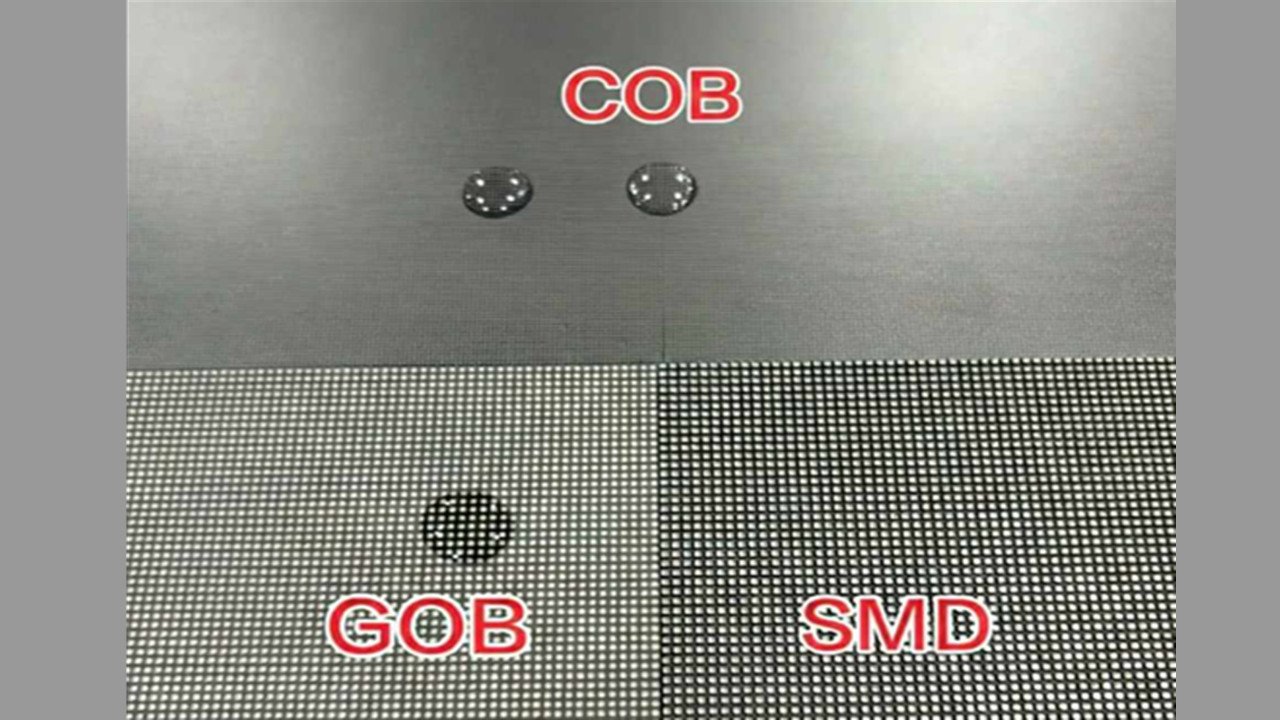
LED chip and packaging quality affect brightness stability, color consistency, moisture resistance, and the risk of dead pixels after years of operation. SMD, GOB, and COB use different protection structures, so their resistance to impact, moisture, and dust is not the same. The right choice depends on the installation environment, viewing distance, maintenance method, and project budget.
Driver IC Quality
The driver IC controls the current supplied to the LEDs and affects brightness consistency, grayscale performance, and operating stability. A reliable driver IC helps maintain brightness consistency, grayscale performance, and image stability during long-term operation.
Power Supply Quality
Power supplies usually become one of the first components to show aging signs, especially when they run under high load or inside a hot cabinet.
Heat Dissipation Design
Good cabinet design, suitable ventilation space, and properly positioned fans or heat sinks help prevent heat from building up inside the screen.
Manufacturing Quality Control
Controlled production can reduce early failures. Testing, calibration, and inspection before shipment help identify potential problems before the screen reaches your project site.
Operating Environment
Where the screen is installed makes a big difference. An indoor LED screen usually works in a clean and stable environment, while an outdoor screen has to deal with sunlight, rain, dust, humidity, and changing temperatures every day. Under the same quality standard, outdoor screens normally face more stress than indoor screens.
Brightness Setting
Higher brightness does not always mean better performance. Running a screen at unnecessarily high brightness increases heat and power consumption, which may speed up component aging.
Working Hours
A screen used for 24/7 advertising has a different workload from a conference room screen used several hours per day. Longer operation time naturally increases component wear.
Installation Quality
Correct power distribution, grounding, surge protection, ventilation space, and cabinet alignment all affect long-term stability.
Maintenance
Regular inspection and timely replacement of aging parts can extend the usable life of an LED display and reduce unexpected downtime.
Why Do Some LED Screens Fail Earlier Than Expected?
An LED screen does not usually fail early because of one single problem. More often, the wrong screen is selected, the installation is not done properly, or basic maintenance is ignored. These problems may not appear at the beginning, but they often become obvious after the screen has been running for a while.
Choosing Only Based on Price
The lowest price is not always the lowest cost. Some cheaper screens use lower-grade components or have less strict quality control, which may lead to more repairs and higher maintenance costs later.
Choosing the Wrong LED Screen Type
Every project has different requirements. Using an indoor LED screen outdoors, choosing the wrong brightness level, or ignoring the viewing environment can shorten the screen’s service life.
Poor Installation Planning
Installation affects long-term stability. Insufficient ventilation, incorrect power connection, or unsuitable installation conditions can create problems even when the screen itself is well built.
Lack of Regular Maintenance
LED screens need basic care during long-term operation. Without regular checks, small issues such as loose connections or aging parts can develop into bigger problems.
No Spare Parts Planning
For commercial projects, long-term support matters. Keeping replacement modules, power supplies, and other key parts available can reduce downtime when maintenance is needed.
How LED Screen Lifespan Affects Total Cost
When you buy an LED screen, the lowest purchase price is not always the lowest cost. A cheaper screen may save money at the beginning, but frequent repairs, replacement parts, and downtime can increase your total cost over the years.
Buyers who focus only on the initial price may spend more time and money on repairs, spare parts, and technical support later. A well-built LED screen should continue to operate normally, require predictable maintenance, and provide better value throughout its service life.
Lower Maintenance Cost
A longer-lasting LED screen usually needs fewer module replacements, fewer repairs, and less technical support during operation.
Less Downtime Risk
For advertising screens, shopping malls, churches, and other commercial projects, screen downtime can affect daily operations and revenue.
Better Long-Term Value
A screen that runs reliably for 8–10 years can often provide better value than a cheaper product that requires frequent repairs after only a few years.
How Different Applications Affect LED Screen Lifespan
The lifespan of an LED screen is closely related to where and how it is used. A screen running outdoors 24/7 faces very different challenges from a screen used indoors for several hours a day. Different applications have different requirements for LED screen lifespan because working hours, environment, and maintenance conditions are not the same.
DOOH Advertising Screens
Outdoor LED billboards usually run for long hours every day and must withstand sunlight, rain, dust, and temperature fluctuations. A well-designed outdoor LED billboard can typically last 5–10 years with proper maintenance.
Shopping Mall LED Displays
Mall screens usually operate in a controlled indoor environment, so the lifespan is often around 8–10 years. For these projects, visible module color differences often become a concern earlier than maximum brightness loss.
Church LED Screens
Church screens usually run for services, rehearsals, and special events rather than all day. Their total working hours are often lower, but dust, poor ventilation behind the wall, and delayed maintenance can still cause problems.
Conference Room LED Displays
Conference room screens usually run only during meetings, so their total operating hours are lower than retail or advertising screens. After several years, color consistency and spare-module matching often matter more than maximum brightness.
Stadium LED Displays
Stadium screens face rain, heat, dust, vibration, and long cable runs. Drainage, corrosion protection, power distribution, and quick front or rear access are more important than quoting one lifespan number.
Rental LED Screens
Rental LED screens are handled much more often than fixed LED displays. Frequent transportation, installation, and dismantling naturally increase wear on the screen, so cabinet durability and easy maintenance become more important.
How SWXLED Controls LED Screen Quality Before Shipment
With more than 16 years of LED display manufacturing experience, SWXLED focuses on component selection, production testing, calibration, final inspection, and spare-parts planning to support long-term screen reliability.
Component Selection
Operating stability starts with component selection. Stable LED chips, driver ICs, and power supplies help reduce early failures and maintain consistent brightness and color performance. We use LEDs from the same brightness and color bin within each batch to reduce visible differences between modules.
Aging Test
Before assembly, LED modules from each production batch undergo a 72-hour aging test to identify dead pixels, unstable components, and early failures.
Brightness & Color Calibration
Brightness and color calibration are completed before delivery to reduce visible differences between modules. After calibration, we control module-to-module brightness deviation within ±5% under the same test conditions.
Quality Inspection
Before packing, each screen is inspected for cabinet structure, wiring, signal stability, power performance, and overall display quality.
Spare Parts Support
Long-term reliability is not only about the first installation. Keeping replacement modules, power supplies, and control components in stock reduces downtime during future repairs.
Real Projects: LED Screen Performance After Years of Use
The actual lifespan of an LED screen depends on the product design, installation environment, and daily operation. Real project experience can often tell you more than a lifespan number on a specification sheet. Below are some examples of LED displays that have been running in different applications.
Outdoor Advertising Screen – USA
A P6 outdoor LED display installed for an advertising project in the USA has been operating daily for more than 5 years. After more than five years outdoors, the screen is still running normally with regular maintenance.

Church LED Screen – Nigeria
This P3 indoor LED screen has been installed in a church in Nigeria for more than three years. It is mainly used on weekends and during church events instead of running every day. Lower operating hours naturally reduce component wear, which is one of the reasons the screen is still working well today.
Conference Room LED Display – Australia
A P1.8 fine-pitch LED display has been used in an Australian corporate meeting room for more than two years. It runs mainly during meetings and video conferences instead of all day. So far, the screen has shown no noticeable color difference, and the image quality has remained consistent with only routine maintenance.
Rental LED Screen – Singapore
A Singapore event company has been using this P3.91 rental LED screen for more than four years. The cabinets have been moved, installed, and taken down many times for different events. With regular checking and replacement of worn parts when needed, the screen is still working normally.
LED Screen Lifespan vs Warranty: What Buyers Should Know
Many buyers compare LED screens by warranty period, but lifespan and warranty are two different things. Warranty tells you how long the supplier will take responsibility for certain product issues, while lifespan refers to how long the screen can continue working with acceptable performance.
For example, an LED display with a 3-year warranty does not mean it will only last 3 years. With proper product selection, installation, and maintenance, many commercial LED screens can continue working for 5–10 years or longer.
When choosing an LED supplier, you should look beyond the warranty period. Check the product quality, spare parts support, and whether the supplier can provide technical assistance when you need help several years after installation.
7 Questions Buyers Should Ask LED Screen Suppliers Before Purchasing
Choosing a long lifespan LED display is not only about checking the price. An indoor screen used for several hours a day does not need the same configuration as an outdoor billboard running 24/7. The supplier’s product quality, configuration advice, testing process, and long-term support will directly affect your future maintenance and operating costs.
What LED Lamp Brand and Packaging Standard Do You Use?
LED lamp and packaging quality affect brightness stability, color consistency, moisture resistance, and failure rate. Ask about the LED brand, packaging type, binning standard, and whether the same specification can be maintained for future replacement orders.
How Do You Test Products Before Shipment?
Before choosing a supplier, check whether it has clear inspection procedures, including module testing, cabinet testing, and full-screen testing before shipment.
What Spare Parts Are Included With the Order?
Ask which spare parts are included and whether the quantity is suitable for your screen size. Spare LED modules, power supplies, receiving cards, HUB boards, and cables can reduce downtime during future maintenance.
How Long Is the Warranty?
The warranty period is only part of the picture. Before you place an order, ask what parts are covered, who pays for replacement parts or shipping, and how technical support is provided if a problem comes up. These details often matter more than the warranty period itself.
Can You Support Maintenance After Several Years?
LED screens are long-term investments. A supplier who can provide technical support years later can make future maintenance much easier. Ask whether support includes remote diagnosis, wiring guidance, software configuration, receiving-card setup, and replacement-part identification.
Can You Recommend a Configuration Based on My Working Hours and Installation Environment?
The supplier should consider daily working hours, brightness requirements, temperature, humidity, ventilation, maintenance access, and expected service life before recommending a configuration.
Can You Provide Compatible Replacement Parts Several Years After Installation?
LED display components and production batches may change over time. Ask whether the supplier keeps module specifications, LED bin records, calibration files, and control system configuration files for future replacement orders. This can help you avoid replacing an entire cabinet or screen because one part is no longer available.
How to Extend LED Screen Lifespan?
A good LED screen can still run normally after five years, but proper use and maintenance are still important. From product selection to daily operation, the way you manage the screen will directly affect its service life.
Choose the Right Product
The first step is choosing a screen that matches your environment. For example, outdoor projects need higher brightness and weather protection, while indoor projects should focus on viewing distance and image quality.
Use Proper Brightness
Running an LED screen at unnecessarily high brightness increases heat and power consumption. Adjusting brightness based on the environment helps reduce stress on components.
Ensure Stable Power Supply
Unstable voltage can damage electronic components over time. A stable power connection and suitable power protection help keep the screen running safely.
Maintain Good Ventilation
Good airflow helps control internal temperature. Make sure the cabinet installation allows enough space for heat release.
Calibrate When Needed
After long-term use or module replacement, visible brightness and color differences may appear. Calibration can restore a more consistent image when these differences become noticeable.
Regular Inspection
Checking cables, power connections, modules, and control systems regularly can help find small problems before they become bigger issues.
Keep Spare Parts
For many fixed-installation projects, buyers keep around 2–5% spare LED modules, several power supplies, and one or two receiving cards. The actual quantity depends on screen size, location, and access to local technical support.
Manage Software and Firmware Carefully
Keep backup copies of the screen configuration before updating control software or firmware. Use compatible versions recommended by the control system supplier, especially for older screens.
Final Thoughts
Choosing an LED screen is not only about checking the price or the lifespan number on a specification sheet. Long-term performance depends on the right product choice, stable components, proper installation, and long-term support. A screen designed for the right environment and operating conditions can usually remain in regular use for 5–10 years. Before making a decision, focus on the total cost and service life, not only the initial purchase price.
If you are comparing LED screens for a new project, send us the screen size, installation location, daily working hours, and maintenance conditions. We can help you compare the suitable brightness, component configuration, heat dissipation design, and spare-parts quantity for the project.
FAQ
Do LED Screens Really Last 100,000 Hours Like LED Lamps?
No, not the complete screen. The 100,000-hour figure usually refers to the estimated operating life of LED lamps or LED packages under specified test conditions. It does not mean the complete display will run for 100,000 hours without maintenance or component replacement.
How Is LED Screen Lifespan Calculated?
LED screen lifespan is usually estimated based on component performance, brightness reduction, working conditions, and maintenance. It is not calculated only by the LED chip’s rated lifespan.
Does Pixel Pitch Affect LED Screen Lifespan?
A P1.8 screen does not automatically wear out faster than a P4 screen. Fine-pitch products need tighter production control, but pixel pitch alone does not decide the screen’s service life.
Do Outdoor LED Screens Have a Shorter Lifespan Than Indoor LED Screens?
Outdoor screens usually work under tougher conditions, but that does not mean they must fail early. Water entry, trapped heat, and poor corrosion protection shorten their service life much faster than the word “outdoor” itself.
Does Running an LED Screen 24/7 Reduce Its Lifespan?
Yes. A screen running 24/7 ages faster than one used for only a few hours a day. For this type of project, power load, heat control, and scheduled maintenance need to be planned from the start.
Does a Higher-Brightness LED Screen Last Longer?
No. Running the screen brighter than the site requires only adds heat and power use. Set the brightness for the actual environment instead of keeping it at maximum output.
What Is the Difference Between LED Lifespan and Warranty Period?
A 3-year warranty does not mean the screen needs to be replaced after 3 years. It only sets the period for the supplier’s warranty service; the screen itself may remain in use for many more years.
